

Actually, I spent my Tuesday afternoon doing software archaeology. You know the drill. You get pulled onto a “maintenance mode” project—some internal dashboard built four or five years ago that nobody wants to touch but everyone needs to use. The ticket seemed simple enough: “Submit button doesn’t show loading spinner.”
Easy, right? I figured someone just forgot to hook up the disabled prop. I pulled the repo, ran npm install (which took long enough to brew a fresh pot of coffee), and fired it up. The environment was a blast from the past: Node 16 (yikes), React 16.13, and a package.json that looked like a history textbook.
I found the form component. Standard stuff. But when I clicked submit, the button didn’t disable. It didn’t show a spinner. It just sat there while the request fired off. I tossed a console.log into the render method to check the isSubmitting prop. It stayed false. Or rather, it flickered so fast the UI didn’t catch it.
The Ghost in the Machine
Here’s the thing about legacy code: it forces you to relearn bugs that the community solved half a decade ago. I dug into the dependencies and saw this:
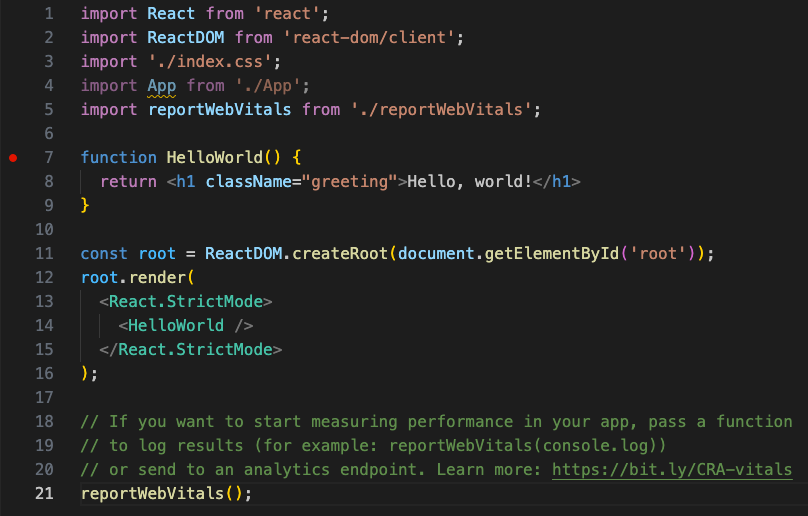
"dependencies": {
  "formik": "^2.0.1",
  "react": "^16.13.1",
  "yup": "^0.28.3"
}
Formik 2.0.1. That rang a bell. A very faint, annoying bell.
I remembered reading about a specific quirk in early Formik v2 versions regarding synchronous submissions. The code I was looking at had an onSubmit handler that wasn’t explicitly returning a Promise in the way Formik expected, or rather, it was firing synchronously in a way that messed with Formik’s internal state management.
Why This Still Matters in 2026
You might be thinking, “Just upgrade the package.” And yeah, that’s what I did eventually. I bumped it to the latest v2 patch (and eventually planned a migration to v3/v4), and the problem vanished. But in enterprise environments, you can’t always just npm update and pray. Sometimes you’re locked to an older version because of some obscure breaking change in a peer dependency, or the regression testing required for a full upgrade isn’t in the budget.
If you are stuck maintaining a system with Formik older than v2.0.5, you have to trick it. The workaround I used before getting the green light to upgrade was wrapping the submission logic in a specialized Promise or using a setTimeout to force the event loop to tick. This is similar to the approach discussed in the article Building Forms That Don’t Make You Hate React.
The Upgrade Path
If you have the luxury of upgrading, check your package.json right now. If you see anything starting with 2.0.1, 2.0.2, up to 2.0.4, you are sitting on this bug. It might not be biting you yet because your API calls are slow enough to mask it, or your users just think your app is snappy (or broken). This is a common issue with legacy React applications, as discussed in the article Building Performant and Aesthetic Forms: Integrating React Hook Form with Modern UI Libraries.
The fix landed in v2.0.5. It was a small change in how the library handled the submission callback, ensuring that the isSubmitting state was respected even for synchronous operations. It’s one of those “one line of code changed, thousands of hours saved” moments.
I verified this fix on my local machine running Node 20.10.0 (even though the project was stuck on 16, I test updates in a modern env first). The difference was night and day. The button went to a disabled state immediately, the text changed to “Saving…”, and the UX felt solid again.
A Note on “Zombie” Bugs
We often focus on the shiny new features of React 19 or whatever the latest framework meta is. But the reality of software engineering is that code lives a long time. Longer than we expect. I wrote that dashboard in 2020 thinking it would be replaced in six months. Well, here we are in 2026, and I’m the one patching it. This is a common issue that is also discussed in the article Mastering Custom React Hooks: Advanced TypeScript Patterns and Testing Strategies.
When you see weird behavior in older apps—especially around form states or boolean flags that seem to ignore reality—don’t assume your logic is wrong immediately. Check the changelogs. Search the closed issues on GitHub. Sometimes, you’re just fighting a ghost that was exorcised years ago, but you’re the only one who hasn’t updated the spellbook.
KEYWORDS: React News, React Native News, Expo News, Next.js News, Remix News, Gatsby News, Blitz.js News, RedwoodJS News, Razzle News, Vite News, React Router News, React Query News, Redux News, Recoil News, Zustand News, Jotai News, MobX News, Apollo Client News, Relay News, Urql News, React Hook Form News, Formik News, React Testing Library News, Jest News, Cypress News, Playwright News, Detox News, Enzyme News, Storybook News, React Native Paper News, NativeBase News, Tamagui News, React Native Elements News, React Navigation News, React Native Maps News, React Native Reanimated News, React Spring News, Framer Motion News, Victory News, Recharts NewsCommon questions
Why doesn’t my Formik submit button show a loading spinner or disable on click?
If you’re on Formik versions 2.0.1 through 2.0.4, the isSubmitting state flickers too fast for the UI to catch during synchronous submissions. The library didn’t properly respect isSubmitting for sync operations. The onSubmit handler fires in a way that disrupts Formik’s internal state management, so the disabled prop never visibly triggers. Upgrading to v2.0.5 or later fixes this.
Which Formik version fixed the synchronous submission isSubmitting bug?
The fix landed in Formik v2.0.5. It was a small change to how the library handled the submission callback, ensuring the isSubmitting state was respected even for synchronous operations. Versions 2.0.1, 2.0.2, 2.0.3, and 2.0.4 all carry the bug. If your package.json shows any of those, you’re sitting on the issue, though slow API calls may currently mask it.
How do I work around the Formik isSubmitting bug without upgrading the package?
If you’re locked to a Formik version older than 2.0.5 due to peer dependency constraints or regression testing budget, wrap your submission logic in a specialized Promise or use a setTimeout to force the event loop to tick. This tricks Formik into treating the synchronous submission as asynchronous, letting the isSubmitting state register properly so the button disables and shows its loading state.
Why can’t enterprise teams just run npm update to fix legacy React bugs?
In enterprise environments, you’re often locked to an older package version because of obscure breaking changes in peer dependencies, or because the regression testing required for a full upgrade isn’t in the budget. Even knowing the fix exists upstream, shipping it means coordinating testing across the whole app. That’s why workarounds like Promise-wrapping or setTimeout tricks remain necessary until an upgrade gets approved.